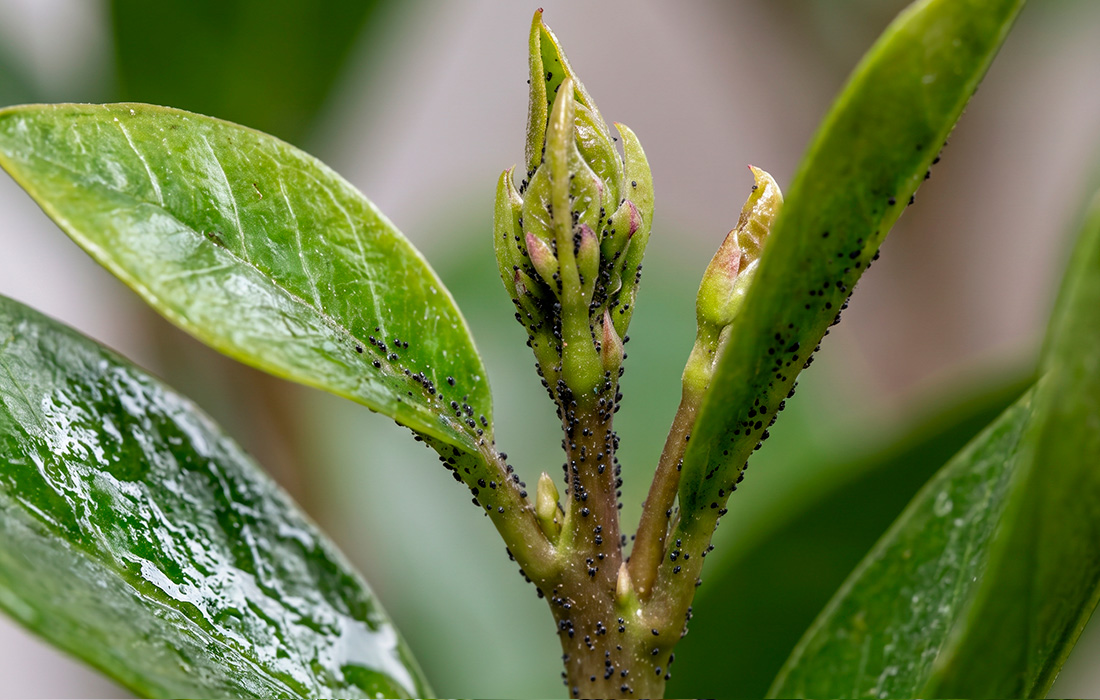
Every fall, when pots make their way back inside from the balcony or porch, plants love to spring a few surprises. One of the most common is a scattering of tiny black dots across the leaves or windowsill, as if someone spilled a handful of poppy seeds. Before you panic, let’s figure out who’s actually moved in on your leafy roommate.
Who Are These Poppy-Seed Impostors?
Tiny black bugs that look like poppy seeds are among the most-searched plant problems out there, and for good reason. Several very different pests can fit that description, and getting the diagnosis right changes how you treat your plant. Let’s break down the four most likely suspects.
Black Aphids
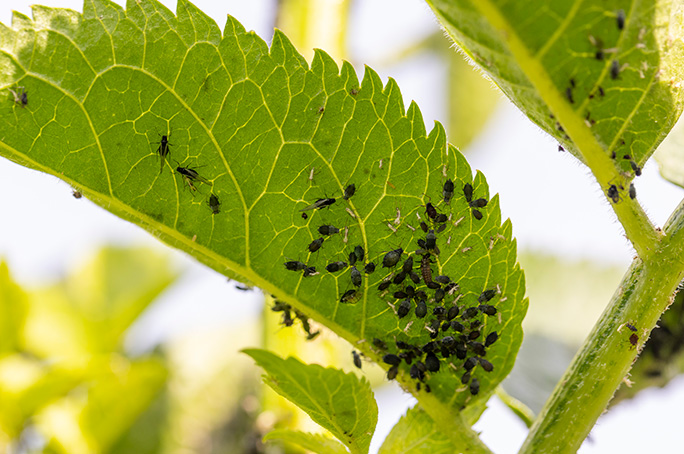
Unlike stationary specks, black aphids can actually crawl, which is why they’re sometimes called “living poppy seeds.” These insects form colonies on young shoots and buds, sucking sap and leaving behind a sticky residue called honeydew. Look closely with a magnifying glass, and you’ll notice the “poppy seeds” slowly creeping along the stem.
Scale Insects and Soft Scale Insects
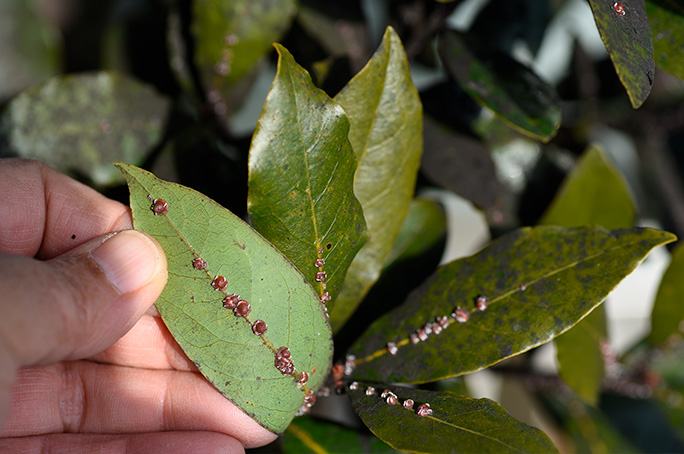
Scale insects and soft scale insects are tiny sap-sucking pests. In a heavy infestation, they can coat stems and leaves so thickly that from a distance, it looks like someone sprinkled sand or cereal over the plant. The two look nearly identical, but there’s one key difference:
- Scale insects have a hard shell that’s separate from their body, like a shield glued to the leaf. Pry one off, and you’ll usually find the insect still alive underneath.
- Soft scale insects, on the other hand, form their covering from their own body wall—it’s fused right into it. Their shell is more rounded, similar to a tiny pea, and if you try to remove it, the insect comes off with it.
Oribatid Mites (Soil Mites)
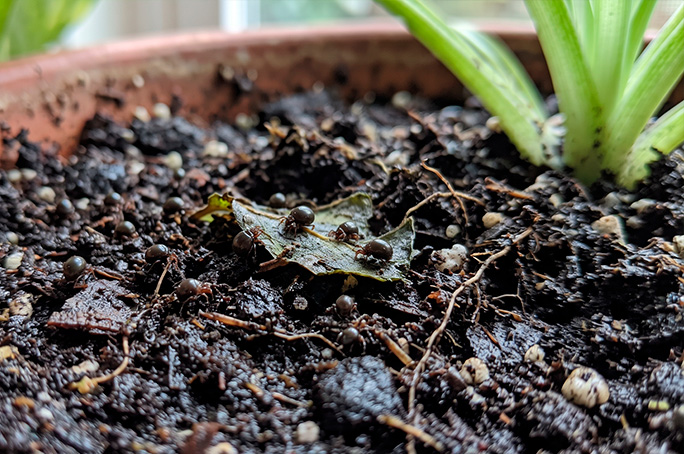
Another usual suspect is soil mites, tiny dark bugs that live in the top layer of soil. They tend to show up when the soil stays too wet, and while they aren’t harmful to the plant, they’re a clear sign it’s time to rethink your watering schedule.
Cruciferous Flea Beetles
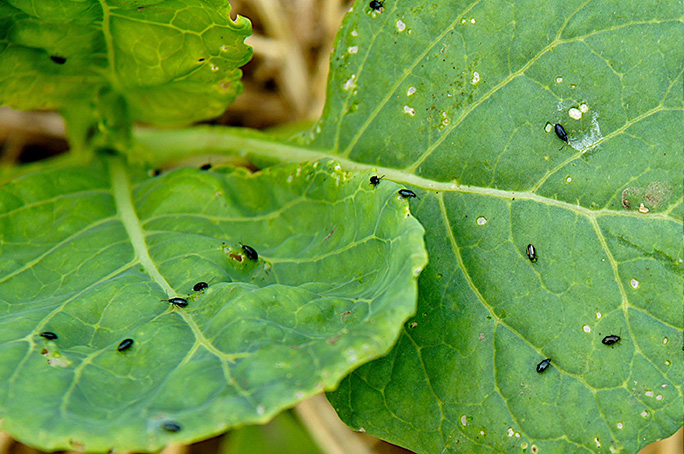
If you bring cress, ornamental cabbage, or stock (Matthiola) indoors for the winter, you might unknowingly bring along tiny black bugs that look almost identical to poppy seeds. These flea beetles hitch a ride on cruciferous plants and may wander onto your other houseplants once they warm up inside. But they’re unlikely to settle in or cause damage on non-cruciferous hosts.
🤔 Not sure what’s crawling on your plant? Plantum’s got you covered! Snap a photo of the pest, and we’ll identify it in seconds and walk you through exactly how to treat and protect your plant.
How to Get Rid of Them
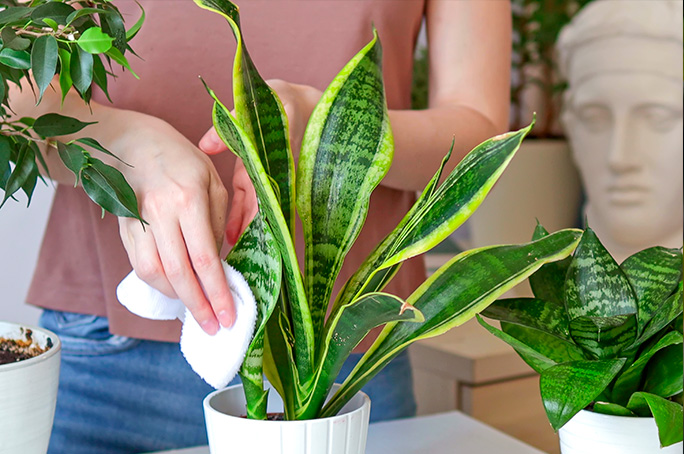
- Isolate the plant: Move it away from other houseplants immediately to stop pests from spreading.
- Disinfect the area: Wipe down the windowsill and check neighboring plants for eggs or larvae.
- Rinse with warm water: Cover the soil with plastic wrap and wash aphids off the leaves.
- Wipe off scale insects: Remove hard-shelled pests manually using a soft brush or cotton pad dipped in soapy water or rubbing alcohol.
- Set sticky traps: Place yellow sticky traps nearby to catch active flea beetles.
- Apply insecticidal sprays: Every 7–10 days, coat leaves (including undersides) with neem oil or insecticidal soap.
- Treat severe infestations: Use systemic insecticides for heavy cases on houseplants, or microbial biopesticides for edible plants.
Prevention
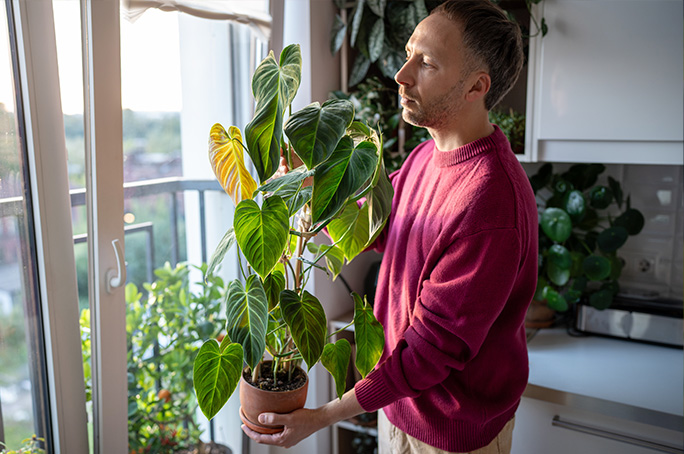
To keep “poppy seeds” from showing up on your plants again, quarantine new plants for a couple of weeks after bringing them home, check leaves and soil regularly, avoid overwatering, and make sure your plants get good air circulation. When you bring pots back indoors each fall, give them a thorough pest check first, as it’s the easiest way to protect your whole collection from unwelcome surprises.