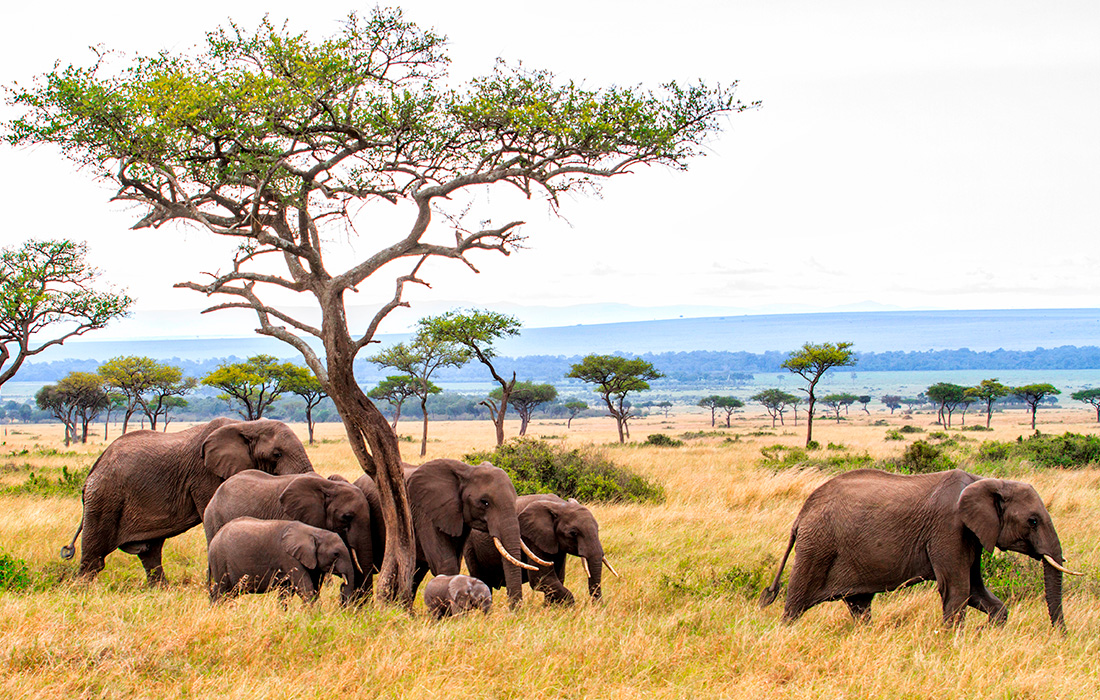
Picture a landscape baked by relentless sun for months on end, hit by a short burst of torrential rain, and then swept by wildfire. That’s daily life in the savanna, where surviving takes some serious botanical ingenuity. So, what plants live in the savanna, and how do they pull off this balancing act between drought and flame? Let’s take a closer look at the strategies that make savanna plants some of nature’s toughest survivors.
Built to Beat the Drought: Xerophytes
Xerophytes are drought pros, and their root systems are a big part of how they survive. Some send roots deep underground in search of groundwater, while others spread wide and shallow just beneath the surface to catch dew and occasional rainfall.
Their leaves have adapted as well—many have shrunk into spines, while others are coated in thick wax or dense fuzz to slow water loss. Plenty of savanna trees have thick, spongy trunks that work like built-in water tanks, while succulents store moisture directly in fleshy leaves. Some species take an even more drastic approach, shedding their leaves entirely during the hottest, driest stretch of the year to conserve every last drop.
Built to Beat the Flames: Pyrophytes
Pyrophytes are the savanna’s fire specialists. Many woody pyrophytes develop thick, corky bark that shields their vital tissues from intense heat. Others rely on tough underground rhizomes or tubers. If fire wipes out everything above ground, these hidden parts survive unharmed and quickly send up new growth once the rains return.
Some pyrophytes go a step further, producing seeds with a hard outer shell that stay dormant until fire triggers germination, using the heat as a wake-up call.
Plantum Pro Tip: Bring the secrets of the savanna to your home! Caring for savanna natives indoors requires recreating their natural cycles. Measure light exposure with our Light Meter and set custom schedules using the Water Calculator to keep plants thriving.
Savanna vegetation generally falls into three main groups: trees, shrubs, and grasses. Here’s a closer look at a few standout species from each.
Giants and Water Tanks: Trees
Baobab
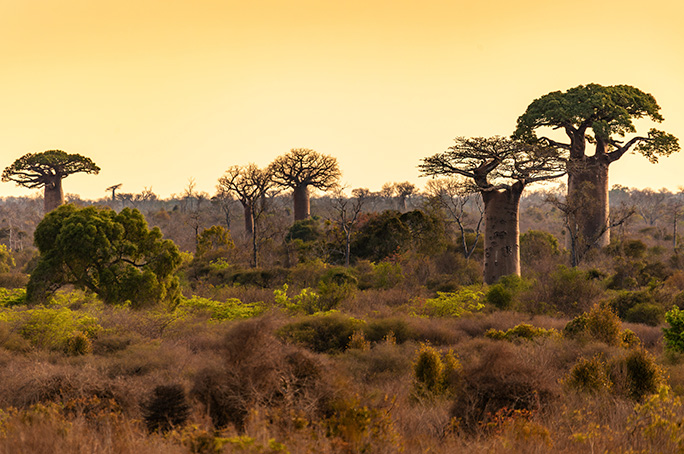
The baobab is the ultimate symbol of the savanna. Its spongy wood soaks up water efficiently, allowing a single tree to store up to 31,700 gal (120,000 l), and during drought it drops its leaves and visibly shrinks in size as it draws down that reserve. Some baobabs are estimated to be over 1,000 years old, with trunks wide enough that early explorers sometimes mistook them for small buildings.
Eucalyptus
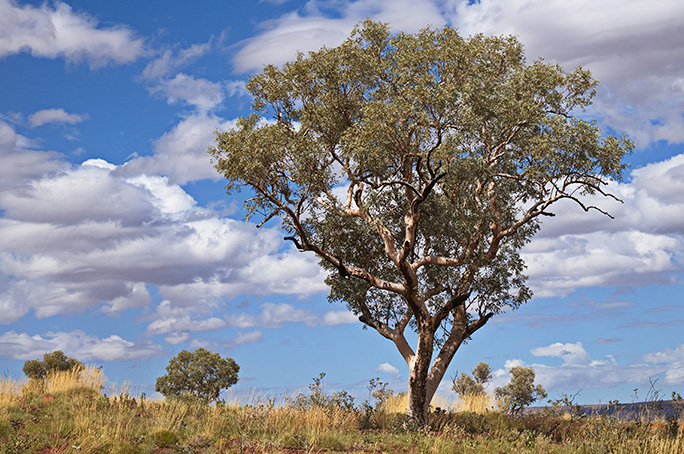
Eucalyptus trees are common across Australian savannas, where their narrow leaves turn edge-on to the sun to minimize surface exposure and reduce water loss. Their leaves are also packed with aromatic oils that deter most browsing animals, though those same oils make the trees highly flammable during wildfire season. Rather than fighting fire, many species lean into it: thick, fibrous bark protects the trunk from heat, and dormant buds hidden beneath the bark sprout new growth within weeks of a burn.
Candelabra Tree
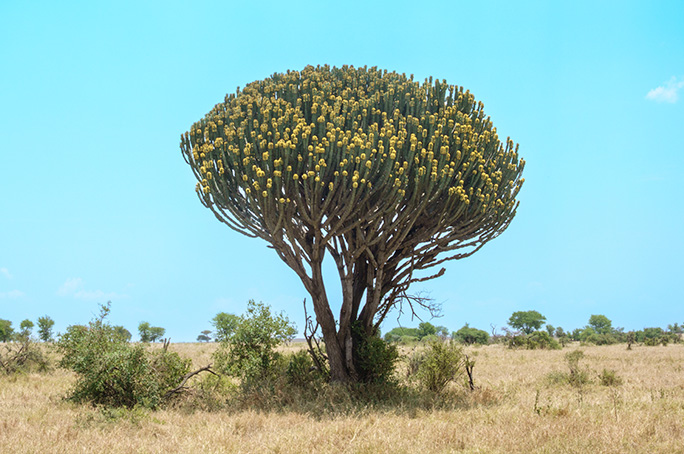
The candelabra tree looks strikingly like a cactus, with fleshy, water-storing stems standing in for leaves and branching upward in a distinctive tiered shape that can reach over 40 ft (12 m) tall. Its milky sap is toxic and intensely irritating to the skin and eyes, which keeps grazing animals away and has made the plant a popular living fence in parts of southern Africa.
Tough as Nails: Shrubs
Bushwillow
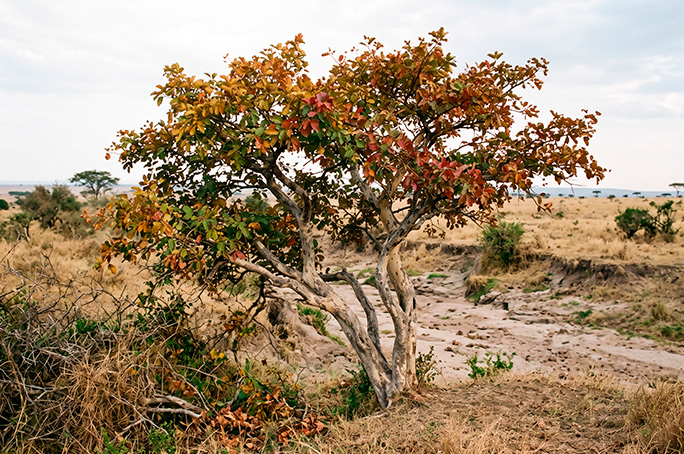
Bushwillows have stiff, leathery leaves and an impressive ability to regrow from the roots even after a fire destroys everything above ground. Many species in this genus turn vivid red or gold before dropping their leaves for the dry season, creating a brief but striking burst of color across the grassland. Their winged, papery seed pods are a recognizable field marker, and their dense wood is often used locally for tool handles and fence posts.
Terminalia
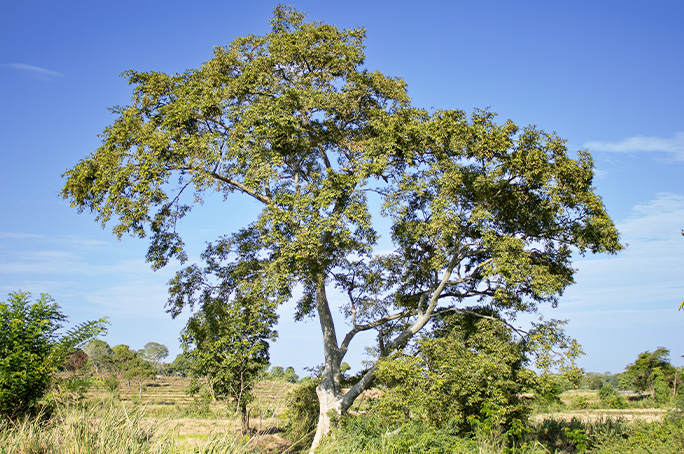
Terminalia shrubs also have tough leaves and shed them during the dry season to conserve moisture. Their branches often grow in distinctive horizontal layers, giving mature specimens a flat-topped, almost architectural silhouette, and thick bark protects the trunk through repeated burns. Several species produce seed pods used in traditional medicine, and their layered canopies provide valuable shade for grazing animals during the hottest hours of the day.
Wild Raisin
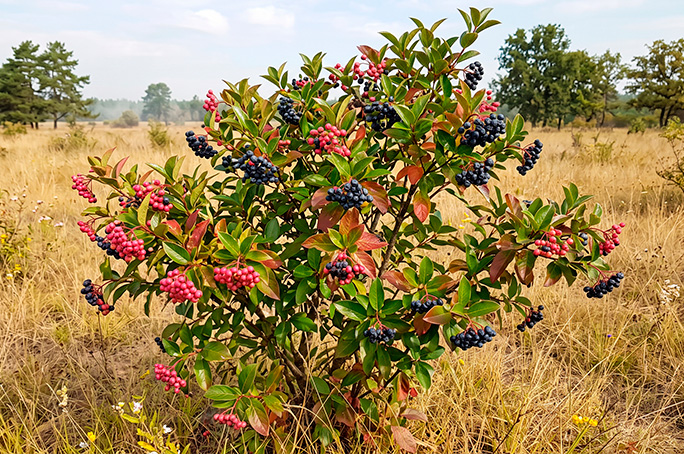
A hardy shrub native to southern Africa, the wild raisin feels at home in dry woodlands and savannas. Its small, rough leaves help it cope with hot, dry conditions, while its extensive root system helps it access water in dry soils. This shrub blooms with small, yellow flowers that turn into fleshy, reddish-brown fruits that resemble raisins when ripe. These sweet fruits provide food for birds and other wildlife, making the wild raisin an important part of the savanna ecosystem.
Grasses That Refuse to Quit
Elephant Grass
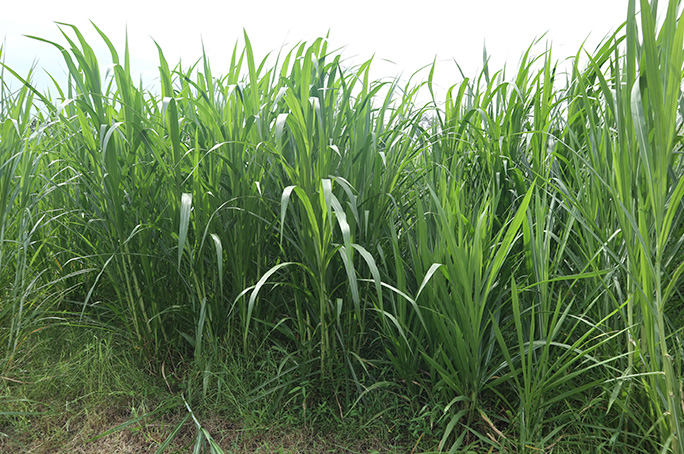
Elephant grass grows in massive clumps from 10 to 16 ft (3–5 m) tall. During the dry season, it turns yellow and withers above ground while redirecting nutrients into its root system, then bounces back quickly after fire. Its rapid growth rate and sheer biomass have made it a major livestock fodder crop across the tropics, and it’s increasingly cultivated as a renewable biofuel source thanks to how quickly it regenerates after cutting.
Bluestem Grass
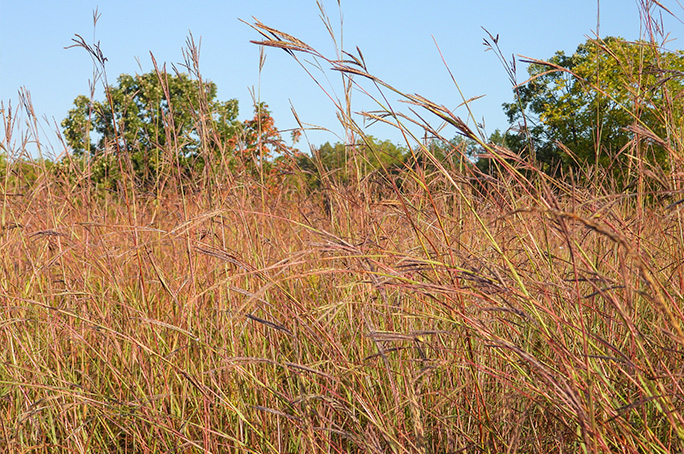
Bluestem grass forms dense tussocks that shield its growing points from trampling and flame, making it well-suited to poor, fire-scarred soil. As the dry season sets in, its foliage shifts to a warm reddish-bronze, giving savanna grasslands their signature fall-like glow long before any trees change color.
Lemongrass
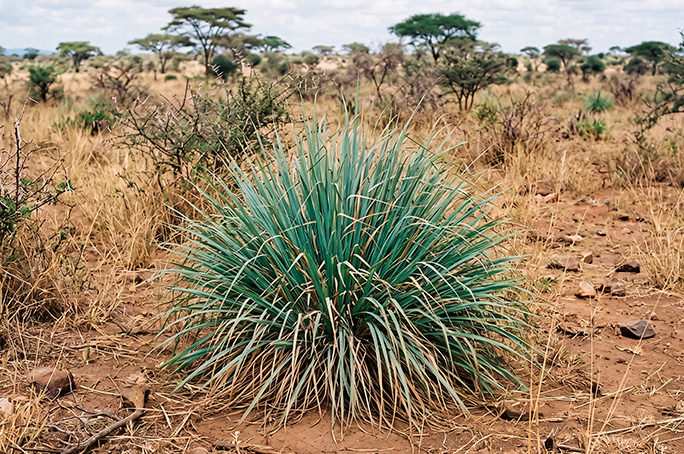
Lemongrass is an aromatic wild grass with a fibrous, tightly packed root system that reaches deep for groundwater. Even when top growth dies off completely, new shoots emerge quickly once the rains arrive. Its citrusy essential oils, similar to citronella, naturally repel many insects, and the grass has long been harvested both as a culinary herb and for traditional medicinal use across its native range.
Despite relentless fires, scorching sun, and months without a drop of rain, savanna plants keep thriving. In doing so, they sustain millions of wild animals that call this extraordinary landscape home.