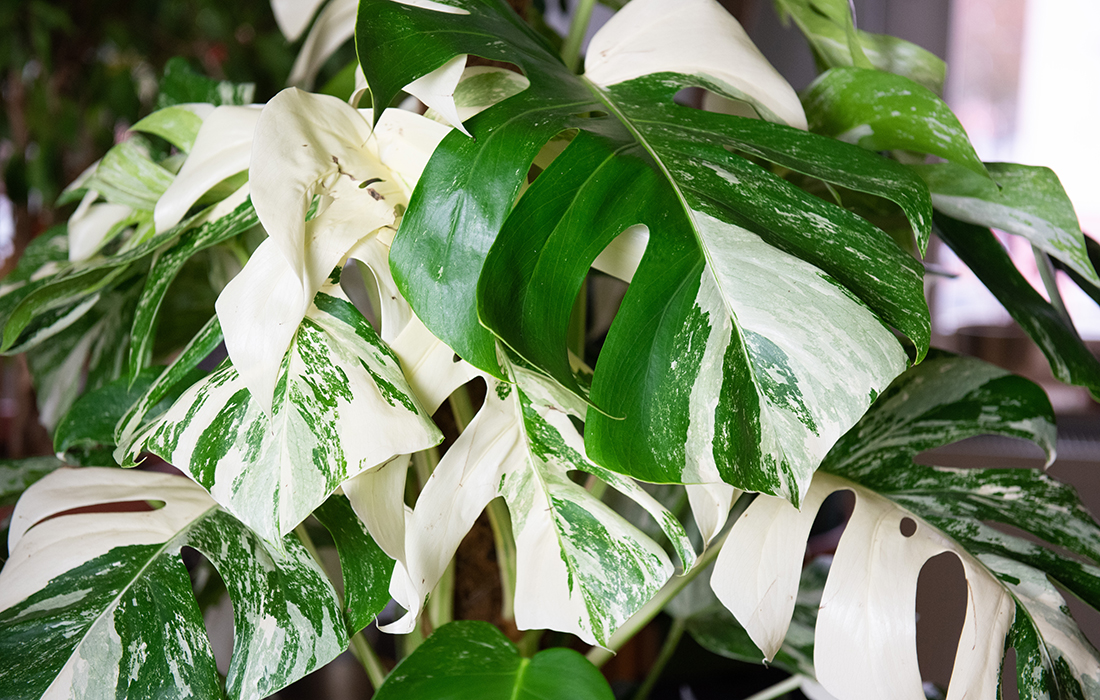
Have you ever seen the string of hearts with vivid-pink leaves or any variegated Monstera? Variegated plants—foliage species with differently colored leaf areas—make every plant lover stand still in awe. A lot of sophisticated gardeners are willing to pay a fortune for plants with exquisite patterns, elegant stripes, and odd-shaped spots of various colors. Naturally, these species need special care.
Where does variegation come from? It can be caused by a mutation, air pockets in plant tissue, or a virus. Colorful leaves can also have a genetic origin. Nevertheless, the most common reason is the presence of cells that don’t have chlorophyll—a component that gives the green color to the foliage. Variegation can be stable and unstable. While everything is clear about the first type, unstable variegation needs your maintenance, so we’ve prepared some tips on how you can make your non-green pet stand out.
1) Provide variegated plants with a lot of bright, filtered light.
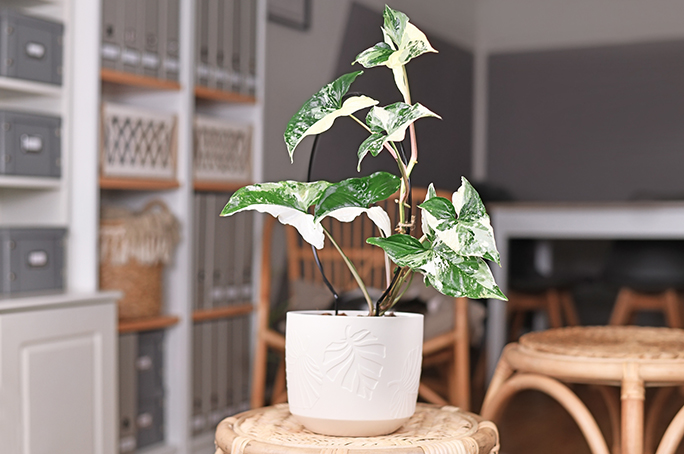
Sunlight is often responsible for vivid hues in the variegated foliage. A great example is Philodendron ‘Pink Princess.’ Mind you, an excess of bright sunlight, especially in the afternoon, will cause leaf scorch, so make sure to prioritize the health of your plant and avoid burning its sensitive leaves.
In general, variegated plants will thrive 3–4 ft (1 m) away from the sunniest window. This way, they’ll get bright but filtered light during most of the day. If you can’t provide at least 8 hours of natural light, consider using grow lights. However, this advice isn’t universal. Make sure to learn the requirements of your particular plant and reduce the amount of sunlight if the foliage starts browning.
2) Maintain an optimal watering schedule.
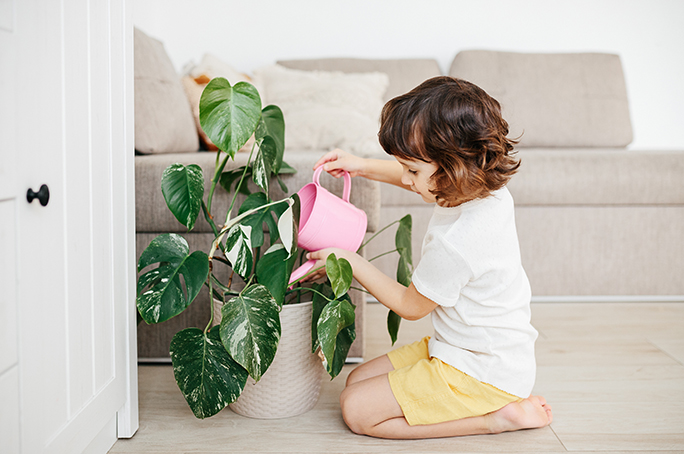
Underwatering makes the foliage pale and dull, while excessive moisture causes the plant to form more chlorophyll, making the leaves greener. The rule of thumb is to give it a drink once the topsoil gets dry, not allowing the growing medium to dry out or turn soggy. We recommend growing variegated houseplants in a pot with drainage holes, placed on a saucer. This way, you’ll see when the moisture soaks the entire soil, escaping from the container.
3) Keep the foliage clean.
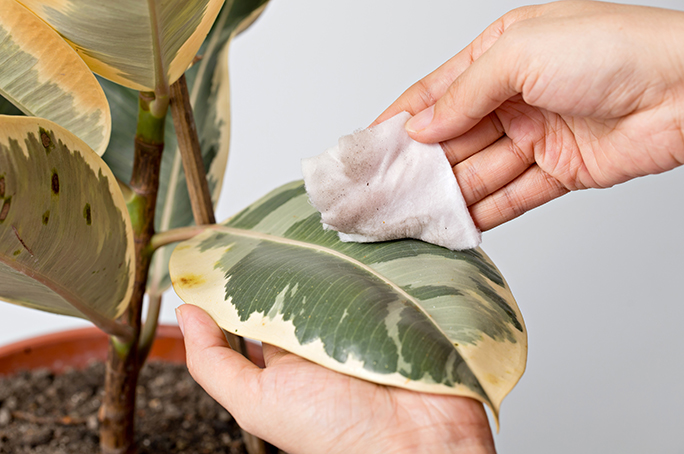
Apart from looking unappealing, leaves covered with dust and coating can’t absorb sunlight efficiently. Shiny foliage of variegated plants tends to collect dust quickly. Therefore, you need to wipe it with a wet, soft sponge once every 1–2 weeks. This will help your plant keep shining bright like a diamond and get enough sunlight.
4) Prune monochrome leaves.

This will not only promote variegation but also stimulate new growth. However, keep in mind that green parts are the only ones that can photosynthesize, sustaining your plant’s life. Without any green leaves at all, your pet will wilt and eventually die, so make sure to keep some of them. Don’t rush to throw the cuttings away—you can propagate them.
5) Don’t go overboard with nitrogen plant food.
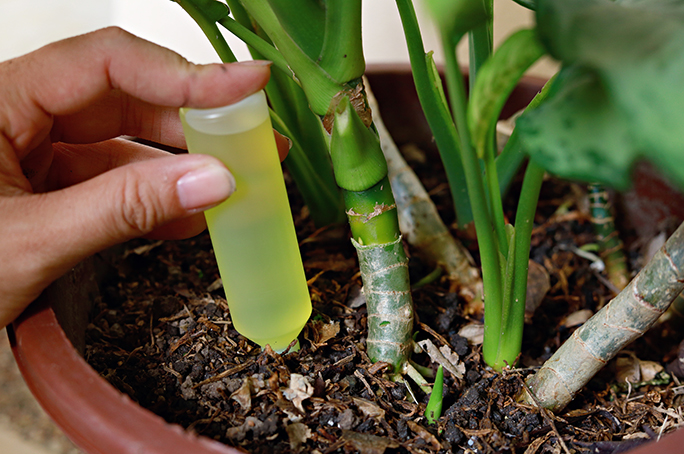
Nitrogen is essential for foliage growth, but it stimulates the development of chlorophyll. The best bet is to apply a liquid fertilizer diluted by half monthly. Scale back on feeding if the plant develops too many green shoots.
6) Provide the plant with stable temperatures.
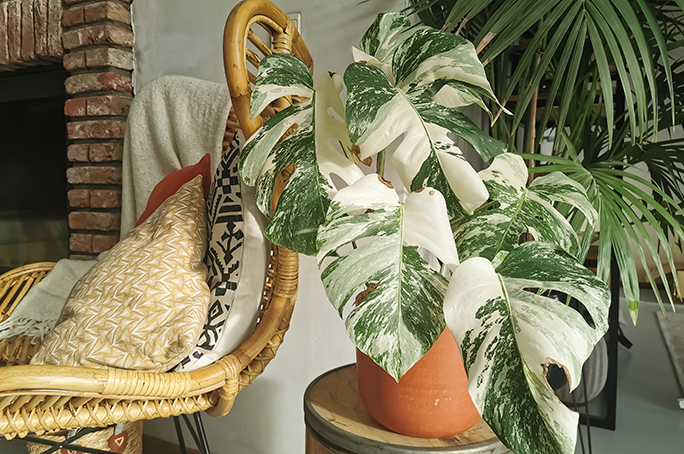
Any temperature fluctuations shock plants. Be sure your colorful species isn’t exposed to drafts, air conditioners, heaters, or open windows in winter. We also don’t recommend moving variegated plants outdoors, as it’s much easier to be in control of the temperature at home. Moreover, the variegation of some plants depends on the temperature. For example, variegated African violets become more colorful when it gets colder.
7) Take a cutting for propagation from a variegated leaf.
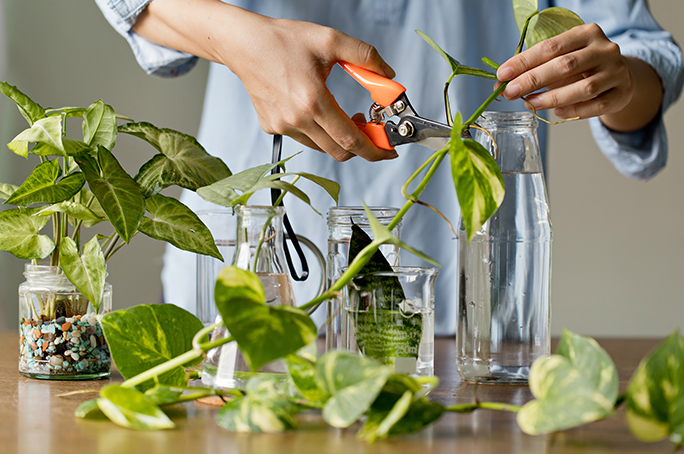
This increases your chances to grow a plant with colorful leaves. Moreover, it’s best to place 3–5 cuttings in the same container to help your non-green pet become bushy and full of vigor.
Growing any plant, not only a variegated one, it’s essential to study its particular requirements. In some plants, variegation depends on the age of the foliage. This way, young leaves of Philodendron ‘Birkin’ have more stripes, while older ones of the variegated rubber plant tend to exhibit a more vivid pink color.