Buying your first houseplant feels amazing, but the moment you bring it home, questions start pouring in. Do I put it in the sun or in the back of the room? Should I repot straight away? When is the right time to water? In this guide, we tackle the top concerns new plant owners have so your green companions can thrive from day one.
How do I know my plant is healthy in its new home?
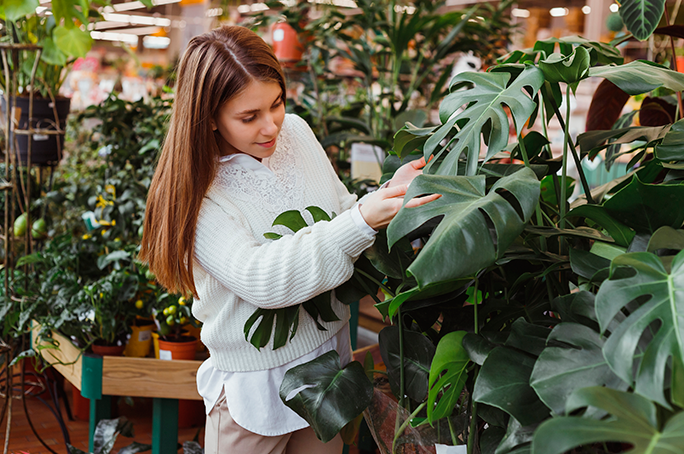
In an ideal world, all plants for sale would be in top shape, but this isn’t always the case. Make sure to carefully examine your new housemate for signs of distress. Check the leaf undersides and the topsoil for pests. Mild infestations often clear up with a few weeks of neem oil treatments.
Yellowing foliage, leaf drop, or soft stems can be early warnings that your plant needs a little extra care. Minor tweaks to watering, pruning, or light exposure can help it bounce back.
Where do I place my newly-bought plant?

You can’t just move your plant to the sunniest corner and hope for the best. Study its care profile first and choose the location based on that. Picking a spot with the right light, humidity, and temperature will give your green pet a great start in its new home.
Should I water my new plant immediately after purchase?
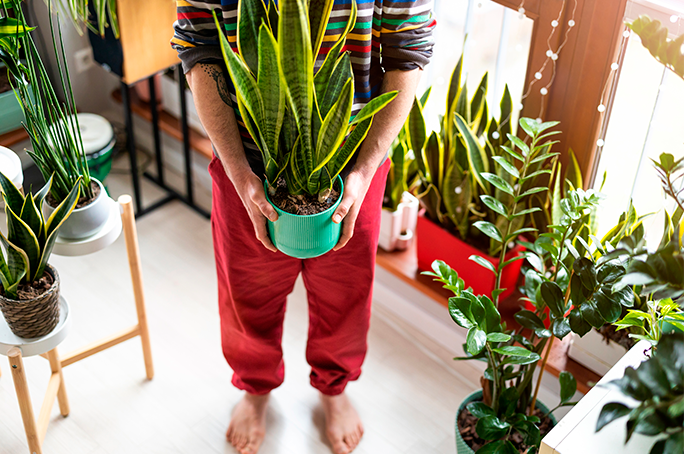
Resist the urge to water your green pet right away. Do a quick check for a start: lift the plant and feel the soil. If the pot feels heavy and the growing medium is overly wet, skip the watering. Let the soil dry out before starting a watering routine that matches your plant’s needs.
When is the right time to repot?
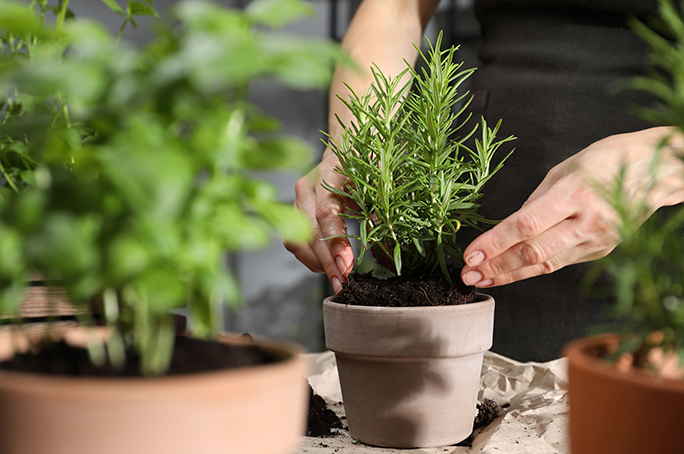
Hold off on moving your new plant to a different container for at least two weeks. Give it time to acclimate to the new setting. However, repotting sooner may be necessary if the roots start poking out of the drainage holes or coming up through the topsoil, or if you notice pests.
Do I need to add a fertilizer?
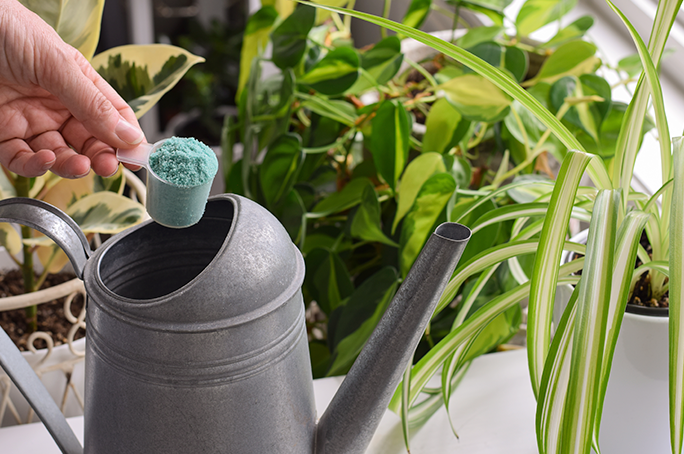
You have to be extra careful when it comes to fertilizing. Do your research or consult a specialist at a garden store, as each plant species requires its own nutrient mix at a particular schedule. Spring to fall is the optimal time for applying fertilizers. Also, it’s best to start feeding the new plant a few months after purchase to avoid stressing it even more.
Why are my plant’s leaves starting to yellow?
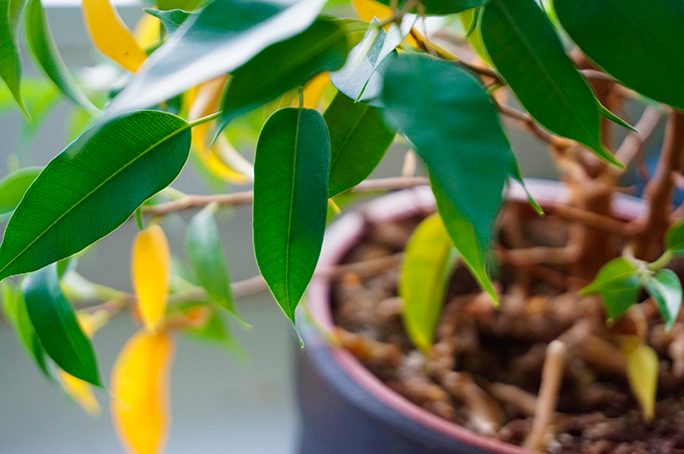
There’s no need to panic. Yellow foliage is a common and fixable issue. Sometimes it’s just natural aging, particularly if only the lower leaves are affected. If the discoloration is more widespread, you should take a closer look at two things:
- Watering: Check the substrate with your fingers to see if it’s wet or bone-dry. Adjust your watering routine accordingly.
- Temperature: Keep your plant away from heaters and drafts, as sudden temperature fluctuations can cause the issue.
Are those tiny flies normal?
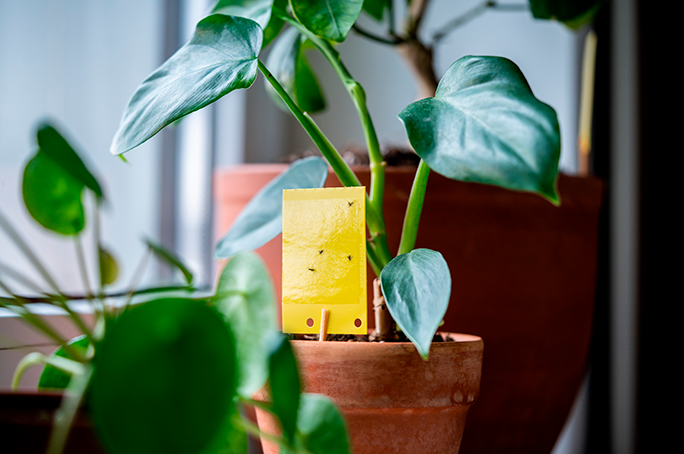
Not exactly. They’re usually fungus gnats, which are a classic sign of overwatering or waterlogging. These steps will help you prevent and control the little annoyances:
· Let 1–2 in (2.5–5 cm) of topsoil dry out before watering again.
· Use sticky traps to catch mature insects.
· Treat the soil with a bioinsecticide to eliminate the larvae.
It’s always best to research your first green pet before purchasing it. But don’t worry if you haven’t done that—a bit of trial and error is a normal part of plant care. Try a new spot, tweak the watering schedule, and see how your plant responds. Most species perk back up once they get what they need.