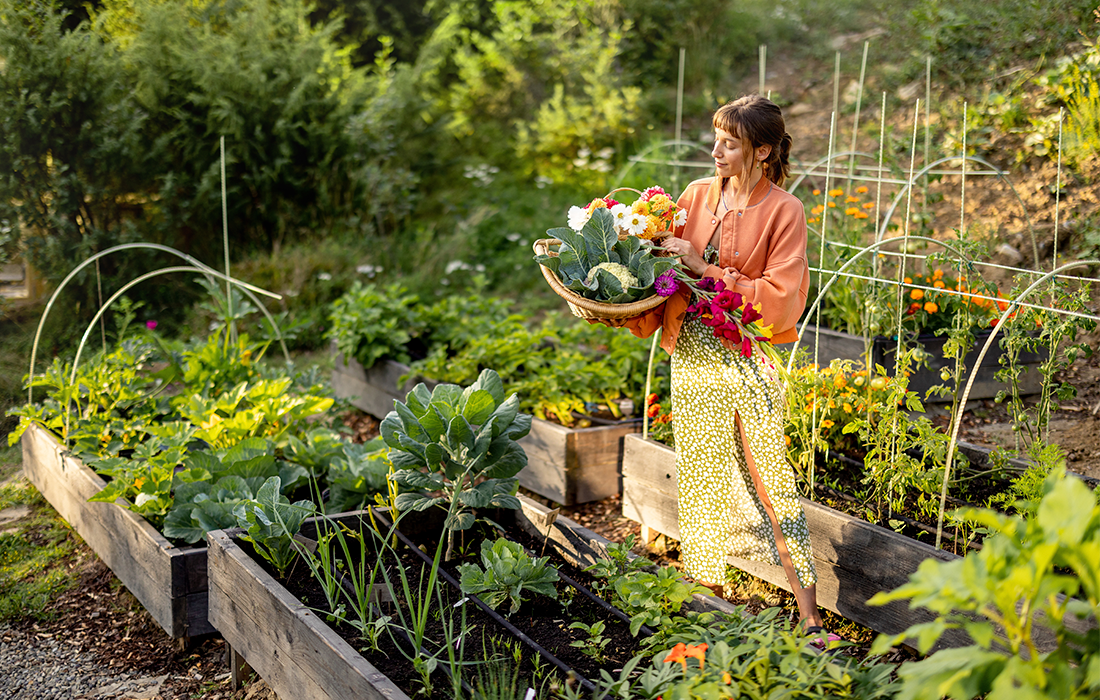
Our garden offers us a chance to help Mother Earth in her ongoing struggle to persevere despite human technological advancements. And mindful, eco-friendly gardening starts when you understand that nature is our helpful friend, our role is to replenish the resources it shares, and that a garden belongs to the surrounding ecosystem.
Here are 5 ways you can ensure your gardening efforts make both you and the environment happy.
Let Your Garden Feed You
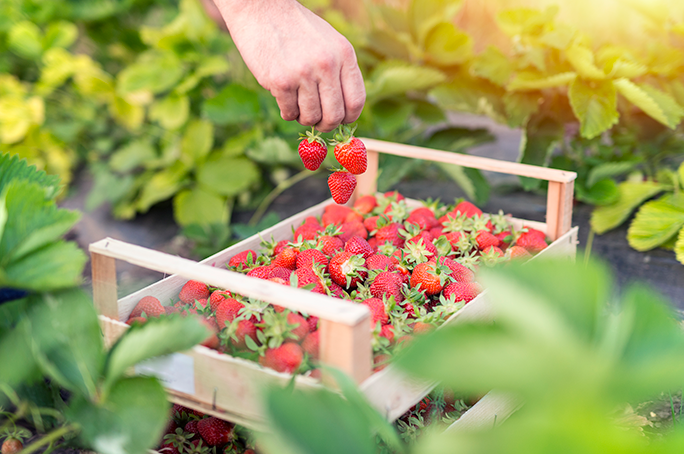
Let’s start with the obvious one: giving a bit of space to a herb or berry garden, a vegetable patch, or an orchard is a wonderful way to show you’re on the side of nature. Eventually, you’ll get cheaper produce that you know contains no pesticides (if you refrain from using them) and pride yourself on reducing your negative influence on the environment.
Then Feed Your Soil
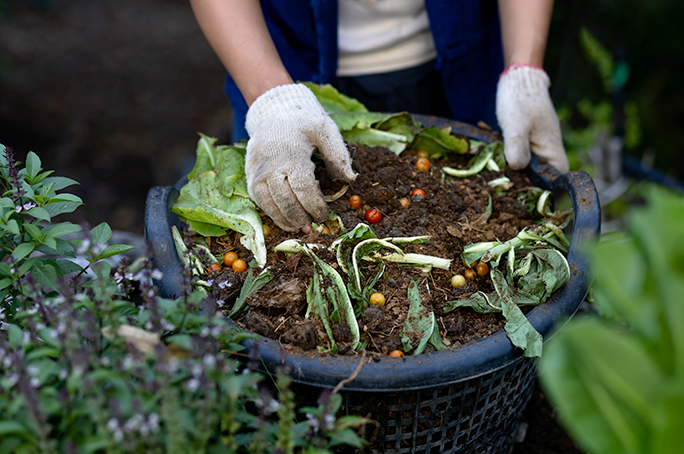
Amending the soil with homemade compost or manure is another way to go green. This way, you’ll enrich the medium and attract more microorganisms capable of sustaining a proper nutrient supply in the long term. Additionally, compost enhances the soil’s ability to absorb moisture and resist being washed away in the rain, and an enriched medium makes for plants less prone to diseases and infestations. Besides, using compost as mulch repels weeds.
On the side note, to decrease carbon emissions, disturb the soil only when necessary, for instance, by digging it only when planting.
Natural Ground Control
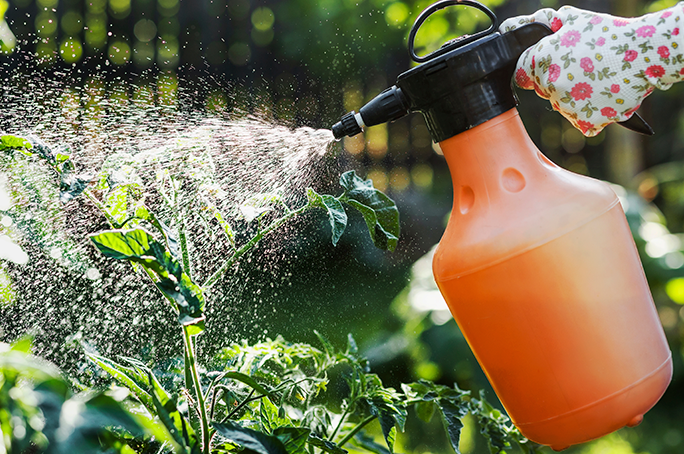
When fighting off pest infestations, always consider options that are safe for the environment.
For instance, deal with aphids, thrips, and whiteflies by washing them off the plant with a massive flow of water. Treat the plant for aphids with a soapy water spray and use insecticidal soap for thrips and whiteflies if necessary. Just choose homemade or OMRI listed (organic) options. You can hand-pick pests like squash bugs and leafrollers and drop them in soapy water.
When handling mealybug, scale insect, and spider mite infestations, go for insecticidal soap or neem oil. And you can even control ants, termites, borers, caterpillars, and slugs with garlic sprays. You could also purchase predatory mites (Phytoseiulus persimilis) to control spider mites, ladybugs to fight off aphids, and products containing bacteria Bacillus thuringiensis to manage larva and caterpillars.
Weed Your Garden
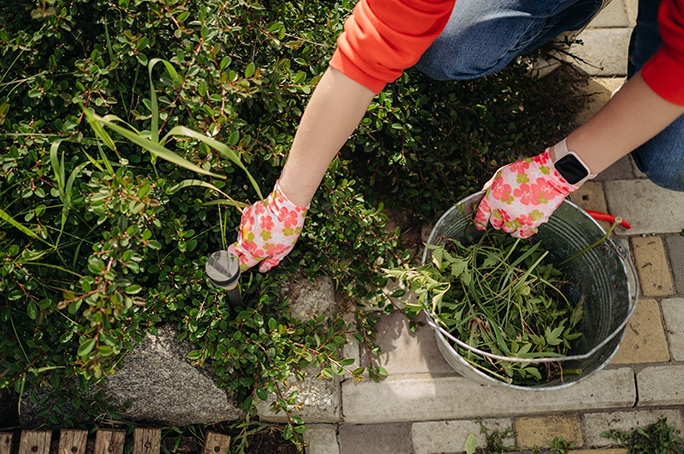
Apart from the fact that 2 inches (5 cm) of compost mulch keeps weeds at bay, other types of mulch in thick (1 in (2 cm)) layers can kill weed seeds. Make sure this kind of control suits your plants and lets you monitor soil conditions. Pull out the weeds before you apply mulch. You can put pieces of ink and wax–free cardboard beneath it.
Additionally, this method provides root temperature control throughout the year, preventing your plants from shock caused by temperature fluctuations. What is more, it helps soil retain moisture.
Follow in the Footsteps of Nature
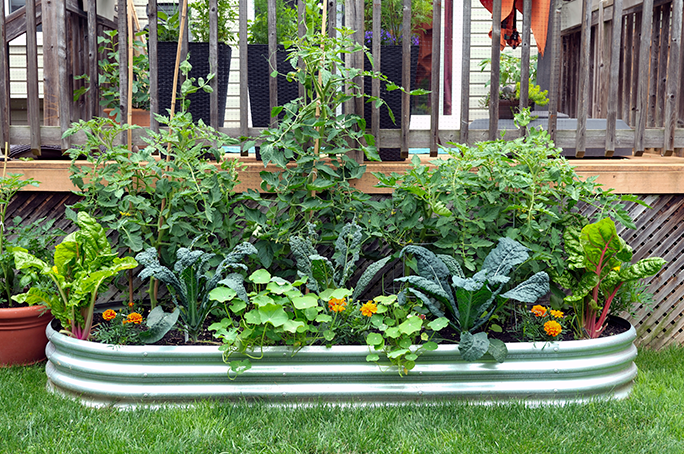
Companion planting is one more way to keep your garden in good health. For example, if you sow dill or fennel, they may attract greenfly predators, and when you grow carrots and leeks together, both should drive away the pests of the other.
Group vegetables—plant these families together: onion; cabbage; beans and peas; peppers, potatoes, and tomatoes; carrots and parsnips. Growing basil next to tomatoes is one of the renowned combinations, as both enjoy the same growing conditions. Besides, growing corn, beans, and squash—the so-called Three Sisters—together works to benefit the three. Beans use the corn stalks as a trellis (also stabilizing them) and provide the soil with nitrogen. And squash leaves shade the soil, helping it retain moisture.
Instead of buying flowers, trees, and greenery, propagate and harvest seeds! Store the seeds you sow in cool, dark and dry conditions. Keep them in sealed glass jars you can reuse or in pockets from recycled paper. And you could always exchange cuttings and seeds with your neighbors and friends!
Finally, take your hardiness zone and specific weather conditions into account when picking what to seed. Going for native plants is the best option, as you’ll be increasing their population and thus helping the local fauna (birds and insects). The rule of thumb is to plant according to the conditions you have, not despite them.
Even by choosing just one of the approaches to eco-friendly gardening, you can play an invaluable part in the future of our planet. And you can enjoy fresh produce and a picturesque and thriving environment along the way.