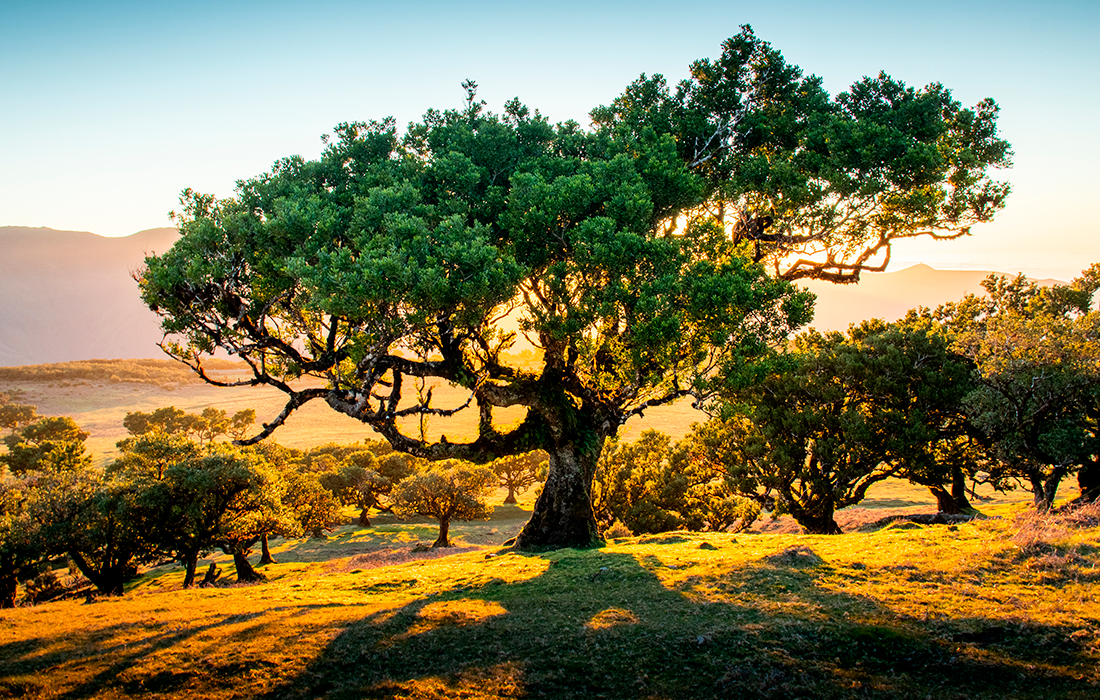
We’ve all seen it happen: a houseplant that slowly withers no matter how much we water or fuss over it. Sometimes it’s our fault, like exposing our green pets to too much sun. But it makes you wonder—do plants ever die simply because they’ve gotten old?
Plants Don’t Age Like We Do
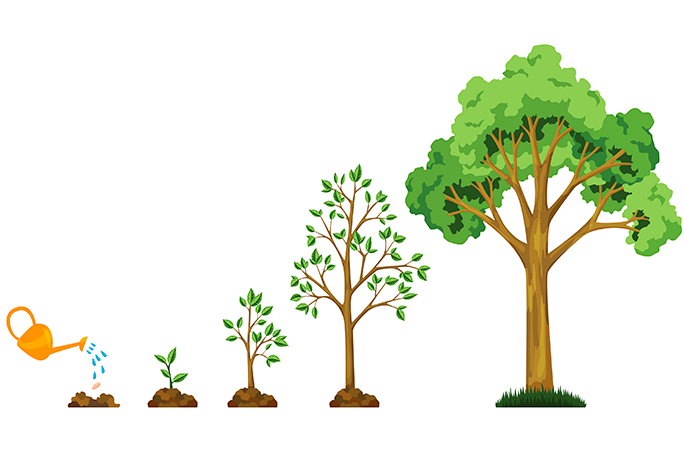
Unlike us, plants don’t have a timer counting down to their unavoidable demise. Most of them can keep growing new leaves, stems, and roots as long as conditions stay friendly. That’s because plants grow from special cells, called meristems, that can keep dividing and making new tissues. So, while your favorite fern might look a little droopy after a few years, technically, it could go on living indefinitely if nothing bad happens to it.
Death by Everything but Old Age
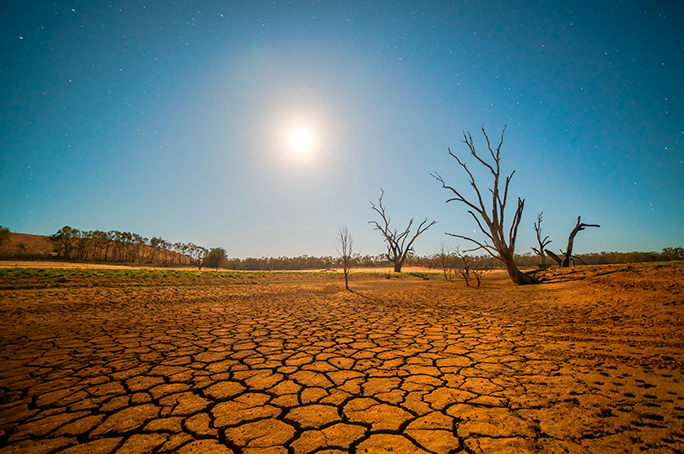
For most plants, death comes from outside threats, such as pests, diseases, droughts, frosts, or overly enthusiastic watering. Even the oldest tree can stay alive as long as it can keep growing healthy tissue. It’s like the Ship of Theseus: replace enough planks over time, and is it still the same ship? For plants, the answer is yes. As long as new tissue keeps forming, the organism lives on.
That’s why the world’s oldest trees, like the 5,000-year-old bristlecone pine in California, are still standing tall. They haven’t died of old age in any conventional sense; they’ve simply avoided disaster long enough.
Programmed Obsolescence
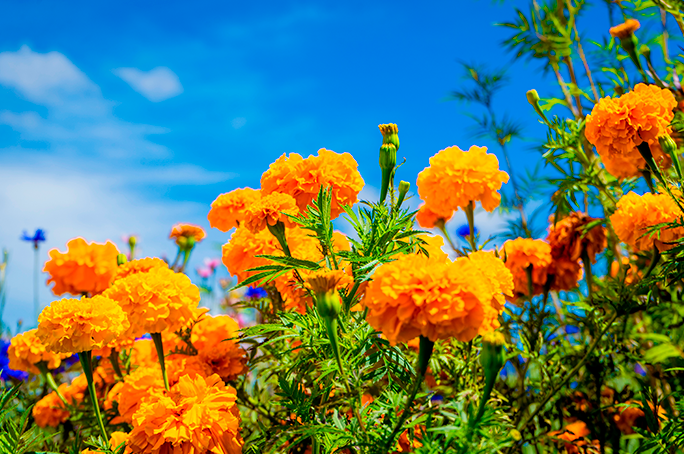
Of course, there’s a big exception: some species are programmed to die after they flower or produce seeds. Think of annual plants like marigolds or even wheat. Their biological mission is reproduction. Once they’ve passed on their genes, their job is done.
Even longer-lived plants can slow down as they age. Over centuries, a giant tree may lose its ability to transport water efficiently or become more vulnerable to fungi and wind damage. So, while it doesn’t die from old age in a human sense, the wear and tear of life eventually catches up.
The Immortals Among Us
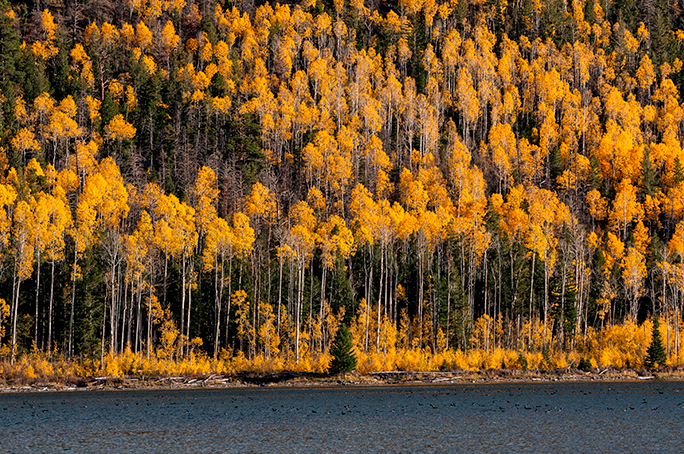
Some plants seem to have found the cheat code for eternal youth. Certain species, like clonal aspens or creosote bushes, can create new stems or shoots from the same root system for thousands of years. The oldest known clonal colony, Pando in Utah, is about 80,000 years old. The individual trunks die, but the organism lives on. There’s a clear similarity between this colony and a coral reef. While individual polyps die, the reef persists.
What This Means for Your Plants
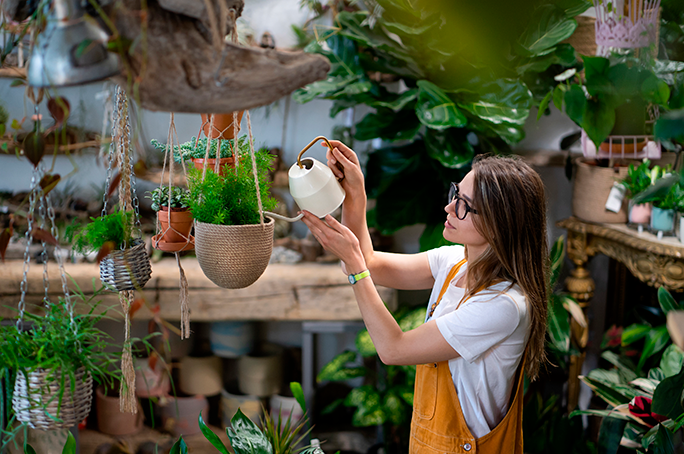
So, what can you do for your leafy companions at home based on this info? Well, there are several takeaways for you to acknowledge:
- Care matters more than age. A healthy plant won’t expire just because it’s been around for a while.
- Watch for stress, not birthdays. Yellowing leaves, wilting, or root rot are usually signs of environmental issues, not aging.
- Repotting refreshes roots. Even long-lived houseplants benefit from fresh soil and root pruning, but it’s just preventive maintenance and not an anti-aging treatment.
- Propagate your favorites. If your houseplant seems tired, take a cutting and grow a clone. You may think of it as hitting “restart” on a living being.
Ultimately, whether a plant lives one season or outlasts empires, it’s rarely age that claims it. It’s the relentless work of staying alive, constantly avoiding life-threatening disasters, that keeps plants growing and thriving—and you can help your green pets do their best with proper care.