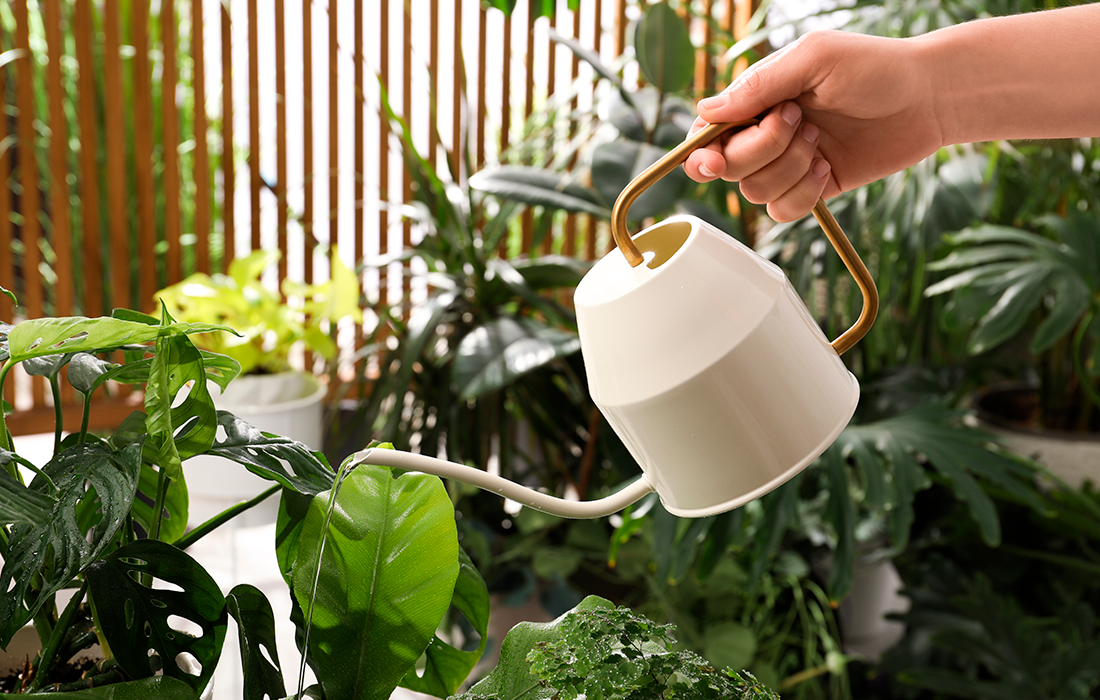
A surefire way to stress a plant is by watering it incorrectly. A lack of moisture, as well as its excess, is a recipe for disaster. The key is striking a happy medium. With this guide, you’ll learn how to find that balance and keep your green companions properly hydrated year-round.
Is Your Plant Over- or Underwatered?
Both over- and underwatering are major issues every plant parent wants to avoid. The snag is that their warning signs can be confusingly similar. Don’t worry—the list below breaks down the key symptoms so you can instantly determine the root cause.
💧 Signs of Overwatering
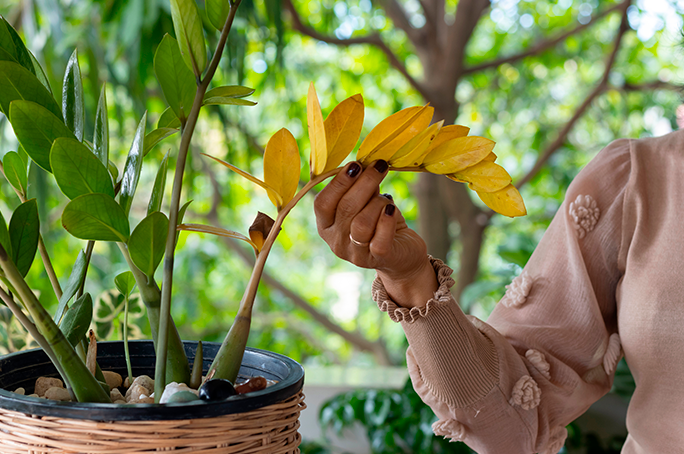
• Soft, yellow leaves
• Plant is wilting despite wet soil; new leaves are falling off
• Soft stem base
• Moldy soil
• Unpleasant smell and dark, rotten roots
• Stunted growth
🥀 Signs of Underwatering
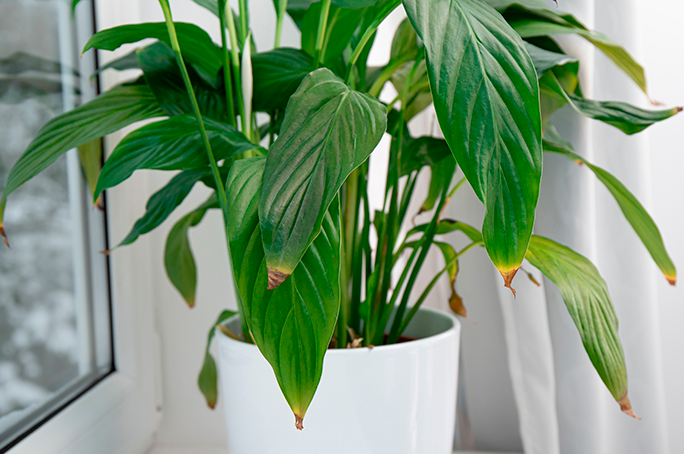
• Brown, curled leaves with crispy edges
• Plant is drooping and shedding leaves
• Shriveled stems
• Parched soil, a gap between the soil and the pot walls
• Dry, brittle roots
• Stunted growth and tiny leaves
When caught early, you can fix either of the issues by adjusting your watering schedule, providing proper drainage, and keeping tabs on the soil.
Best Watering Practices
Now that you can recognize the signs of over- and underwatering, it’s time to get your watering routine right. Giving your plants the perfect drink is one of the most important plant care skills. With these actionable tips, you’ll start watering smartly and watch your leafy pals thrive.
#1 Mind Your Plant’s Needs
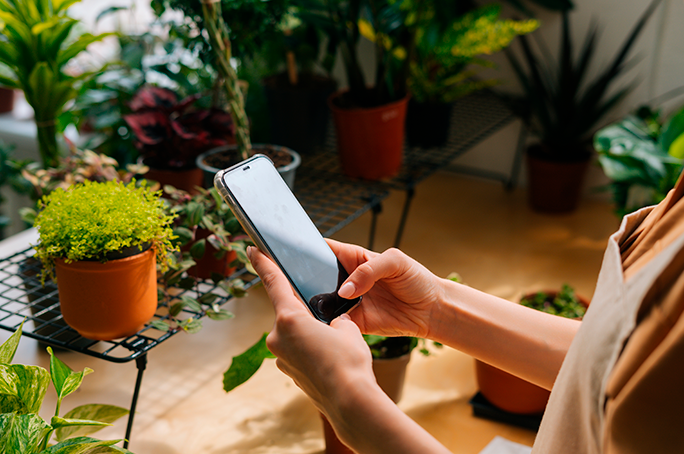
Start by examining your plant’s profile. Its watering needs will largely depend on its natural habitat. For example, tropicals (like Calatheas, ferns, and peace lilies) want their soil to be slightly moist at all times, while succulents enjoy drier conditions. Take a moment to learn what your green pet actually likes and water accordingly.
#2 Consider the Season
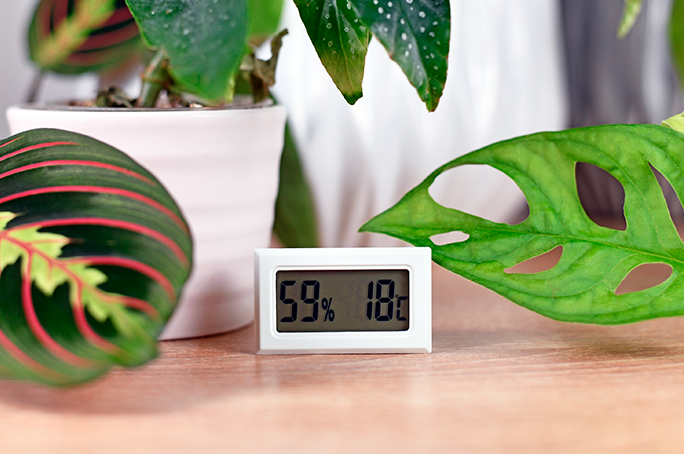
During colder months, some plants go dormant and need less moisture. Make sure to adjust your schedule as the seasons change to prevent problems like overwatering. Also, monitor indoor temperature and humidity to maintain the right environment for your potted friend.
#3 Feel the Soil
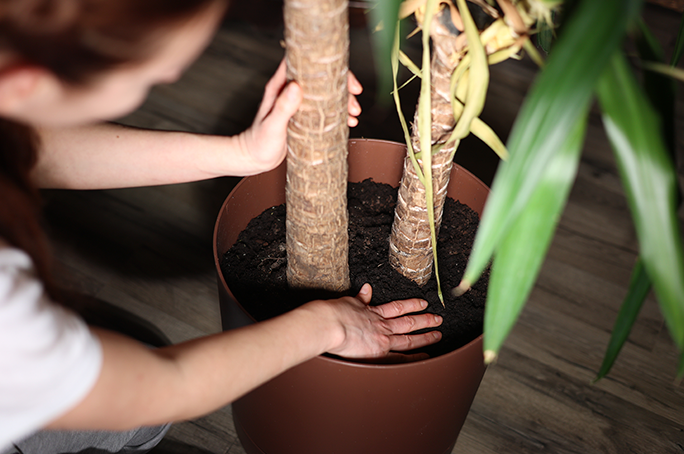
Do a quick moisture check before grabbing the watering can. Gently press your finger an inch (a few cm) down into the growing medium. If it’s dry, give your green pet a drink; don’t water if it’s still wet.
#4 Water Generously
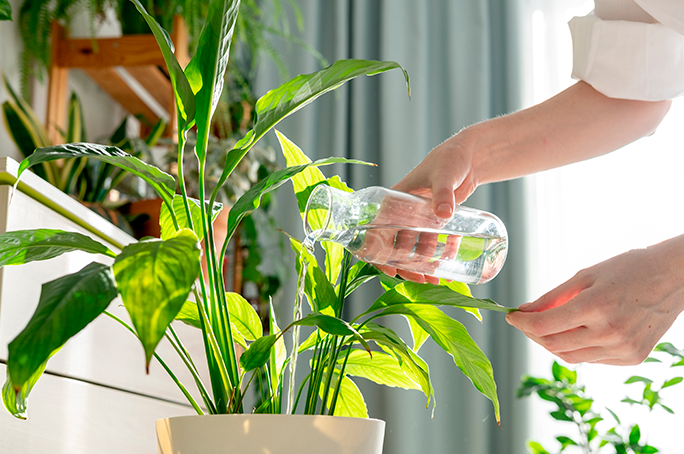
Instead of giving your indoor plants a quick sip, thoroughly soak the soil until excess water runs out of the drainage holes. This technique promotes healthy roots and prevents underwatering.
#5 Keep the Foliage Dry
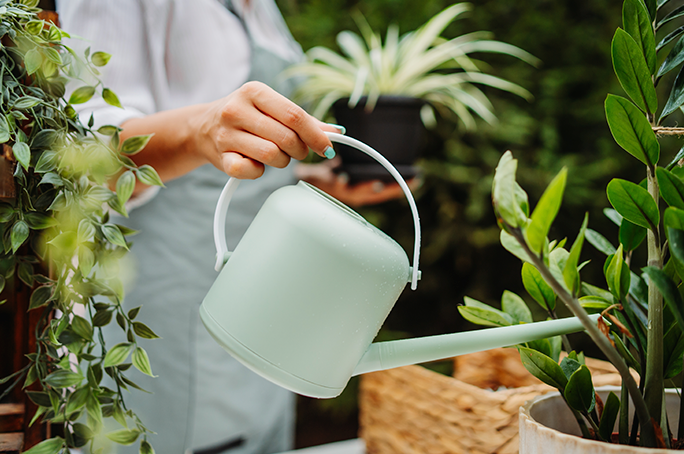
Another key rule is to avoid getting water on leaves and stems. You need to pour it directly at the base of the plant—a watering can with a long spout can help you with that. This easy habit will protect your green inhabitants from a range of health issues, including fungal and bacterial diseases.
#6 Choose the Right Pot
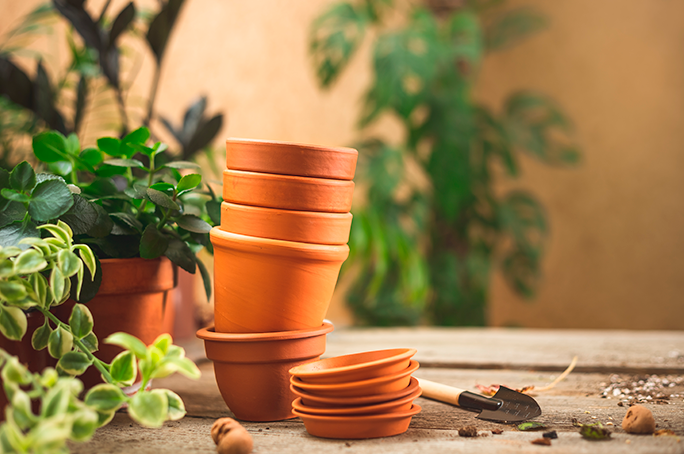
Pot size matters as well. When a plant is root-bound, it can’t absorb water and nutrients properly, leading to stunted growth and increasing the risk of various diseases. The container you choose should match the size of the root system and have drainage holes, along with a saucer to trap excess water.
Pro tip: Remember to empty the saucer regularly to avoid waterlogging and root rot.
#7 Use Quality Water
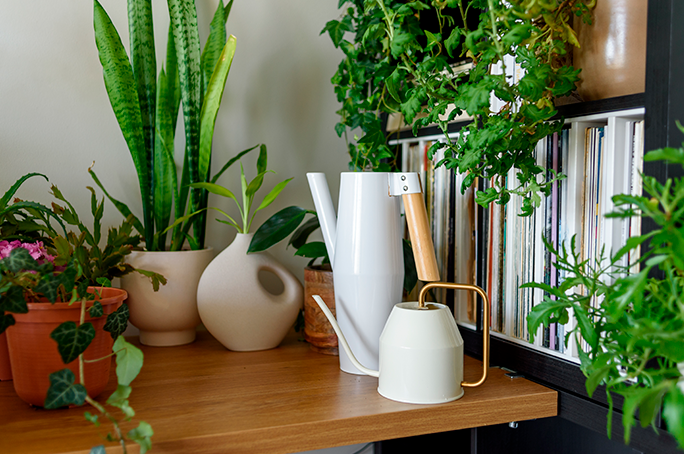
For good measure, we suggest settling water in a container for at least a day or filtering it before use. This will prevent excess salts and chloride from accumulating in the soil and damaging your plants. Make sure it’s also room temperature because cold water can really stress your green companions.
These basic guidelines will keep you on the right track to healthier, happier plants. Follow them consistently and watch your home turn into a lush, green retreat.