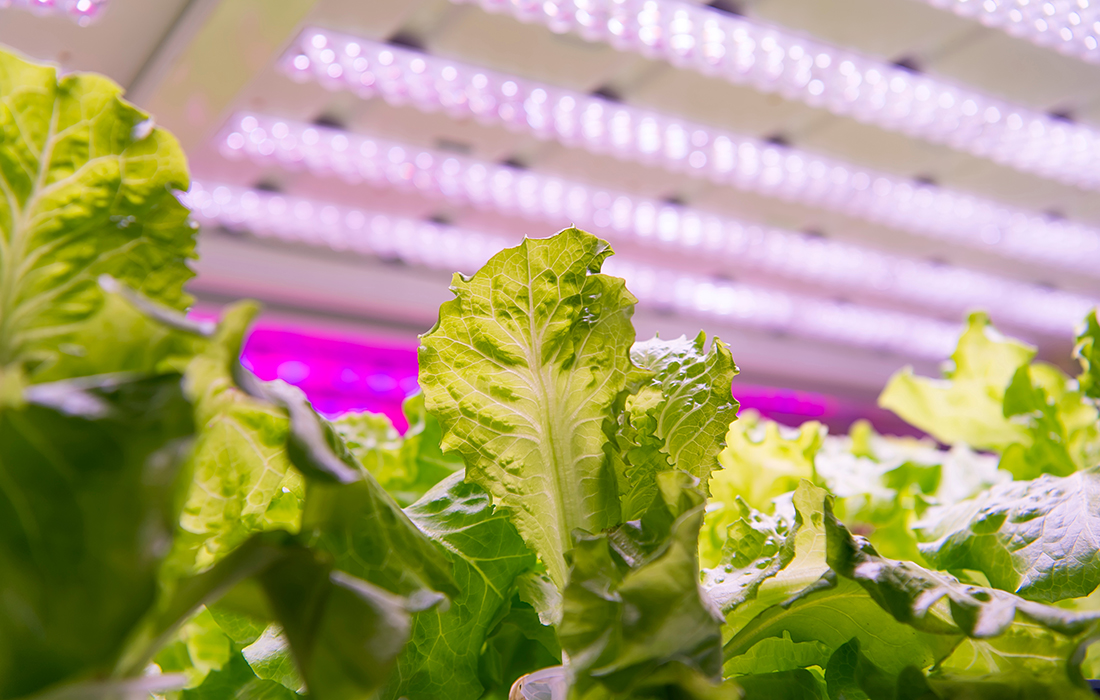
Your plant constantly seems droopy, pale, stretched out, and sad? It might be lacking sunlight! But don’t worry; there’s an easy way to fix this issue even without natural sunlight.
A grow light is a brilliant solution for gardeners who live in cloudy and stormy areas with shorter than average light days. This tool can change your life and keep your plants happy by giving them enough energy for growth and flowering.
What Do You Need Grow Lights For?
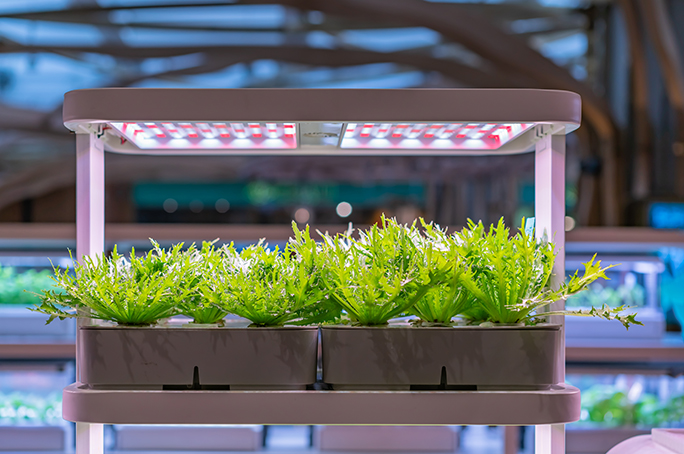
Grow lights (GL’s) are a simple but quick way to fulfill your plant’s light needs. Photosynthesis occurs at the wavelengths between 400 and 700 nanometers; and while your common light bulbs can do the trick, their intensity and overall effect on the plant growth will be less impactful than that of a grow light. Plants need different amounts of light for various reasons: smaller wavelengths help them grow roots, while higher ones promote flowering.
Here are the two types of GL’s you can get:
LED (light emitting diode)
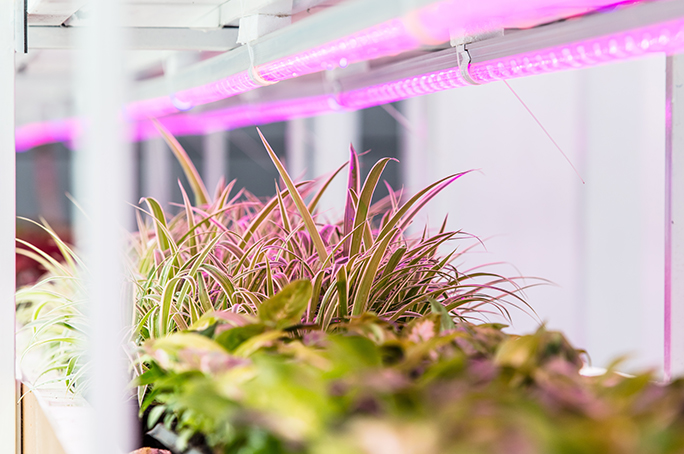
Just like normal LED lights, LED grow lights last longer and emit less heat than regular incandescent bulbs. While you might be tempted to use your bedroom LED lamp to cover your plant’s lack of sunlight, this, unfortunately, won’t work. Standard LED lights are meant to illuminate your room, but that’s pretty much it. LED grow lights, on the other hand, help your plants photosynthesize and consume less energy than non-LED lamps. They also offer a possibility to choose between blue and red lights depending on the part of your plant’s growing cycle, but that’s mostly used in large-scale industrial productions.
Fluorescent GL’s
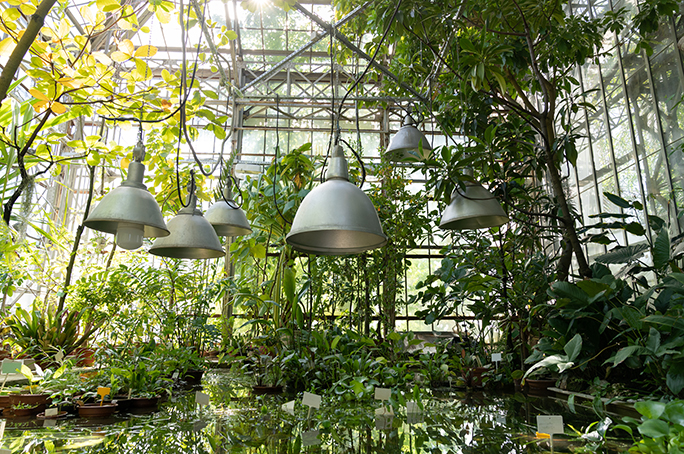
You can find these lights pretty much anywhere: they’re easy to get and cheap. Most people prefer them because of their compact form. Thanks to their shape diversity, they’re easier to position near plants and fit into your apartment design. However, there are some significant drawbacks, such as the fact that they don’t last as long and they produce heat, which may affect your plants if you put them too close.
How to Properly Use GL’s
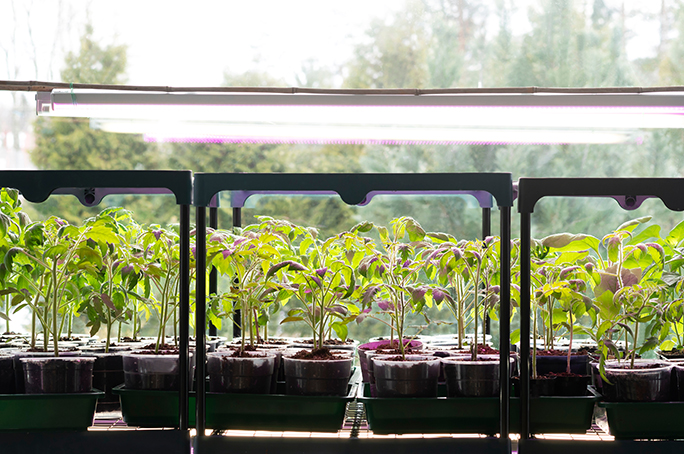
Most popular houseplants should receive 8–10 hours of sunlight a day; the same applies to artificial light! Make sure to place the light near your plants, as it won’t have any effect placed on your computer desk, while your plants are chilling on the windowsill. If you’re worried about forgetting to turn them on/off, set up a timer or create a custom notification in Plantum.
Grow lights are an excellent tool in the hands of a prepared gardener. Now that you know what they are and how hot they work, you are ready to help your plants get even healthier and lusher than before!