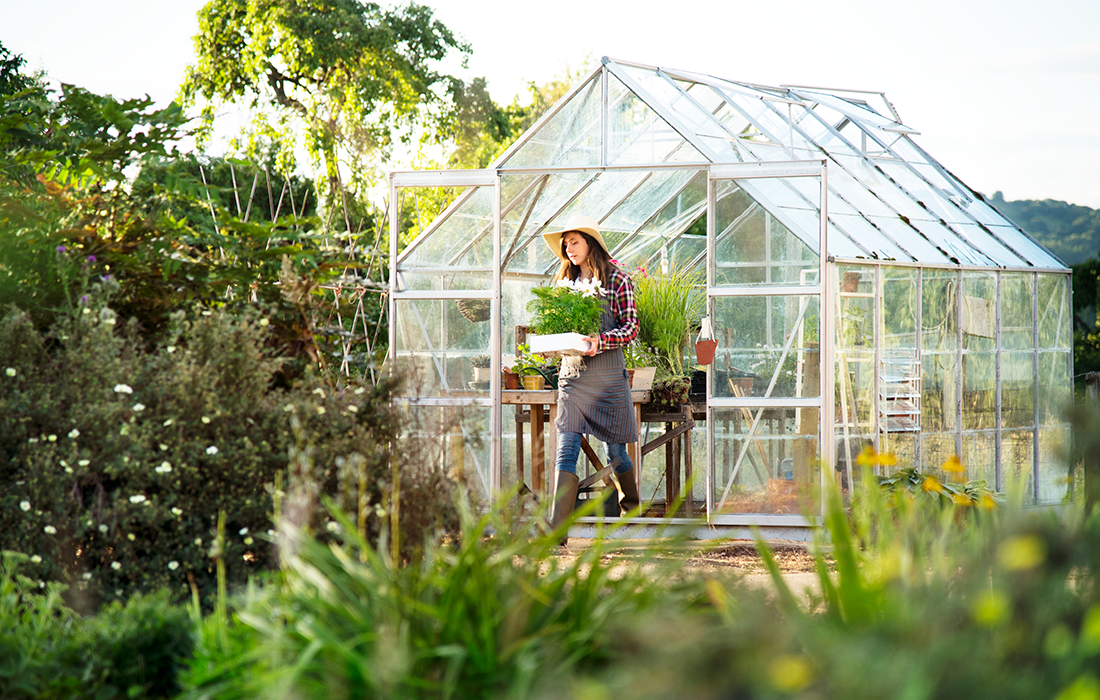
Growing plants in a greenhouse is one of the best ways to enjoy fresh vegetables and fruits all year round. This method helps overcome seasonal limitations by giving you control over growing conditions—a lifesaver in regions with short summers and long winters. So, if you want to extend your growing season from early spring to late fall or even winter, read on!
Step 1: Choose the spot and create the right microclimate
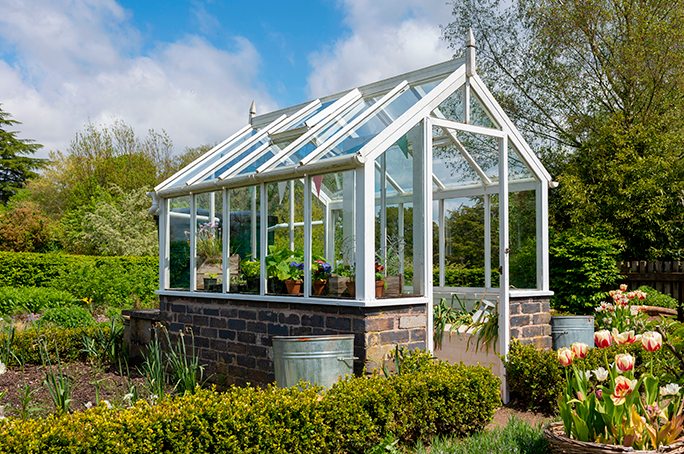
Position your greenhouse on an elevated area or the southern side of your house to let it get the most warmth and sunlight throughout the day. In colder climates, make sure to also bury the foundation about 2.6 feet (0.8 meters) deep and insulate the exterior to help retain heat.
In winter, the temperature inside your greenhouse shouldn’t drop below 59°F (15°C), while the ideal range for the rest of the year is 68–77°F (20–25°C). You may also need to install grow lights, especially in winter months, to compensate for shorter daylight hours.
Good ventilation is just as important—without it, heat and humidity can build up, inviting fungal diseases and weakening plant growth.
Step 2: Decide on the growing method
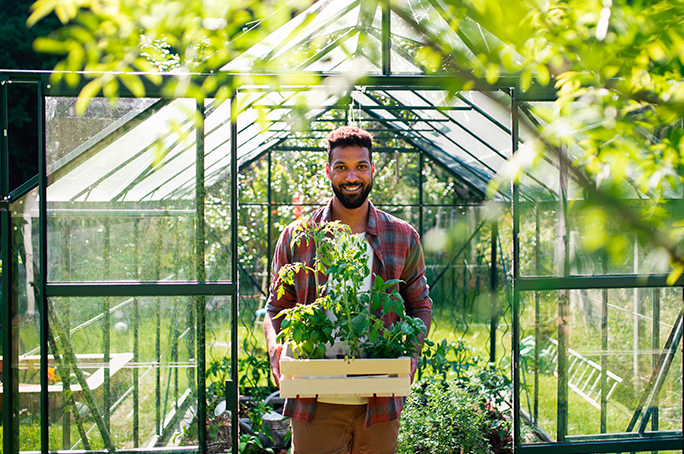
Your setup depends on the available space, your goals, and your gardening style. There are three main approaches:
– Planting in open ground provides a natural growing environment with strong root support.
– Container gardening offers flexibility and better soil control.
– A combined approach—starting seedlings in containers and then transplanting them into open ground—offers the best of both methods.
Regardless of the method, use light, well-draining, and nutrient-rich soil. If you use any natural components, always sterilize them through heat treatment or with a potassium permanganate solution to eliminate harmful bacteria and pests.
If you use containers, opt for ones with drainage holes to prevent waterlogging.
Step 3: Choose what to nurture in your greenhouse
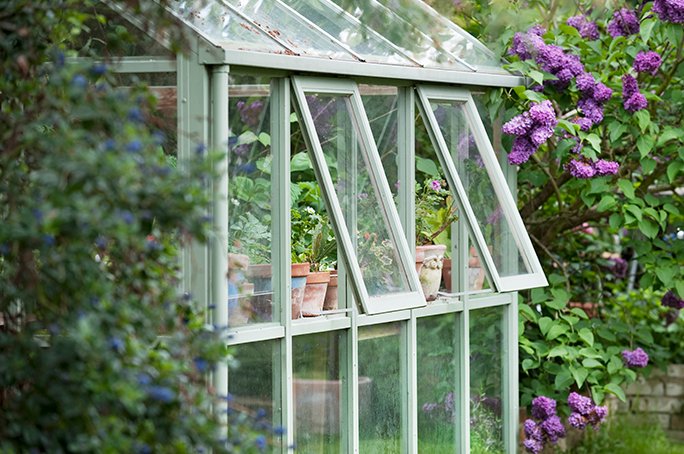
A greenhouse offers the ideal environment for a wide range of plants. Vegetables (tomatoes, cucumbers, peppers, eggplants, beans, and peas) and herbs (basil, sage, mint, rosemary, and dill) thrive in these conditions.
If you’re interested in growing something more exotic, a greenhouse makes it possible to cultivate plants that would otherwise struggle in colder climates. Figs, citrus trees, mangoes, and pomegranates can all be grown successfully in a controlled greenhouse environment.
Step 4: Prep the seeds
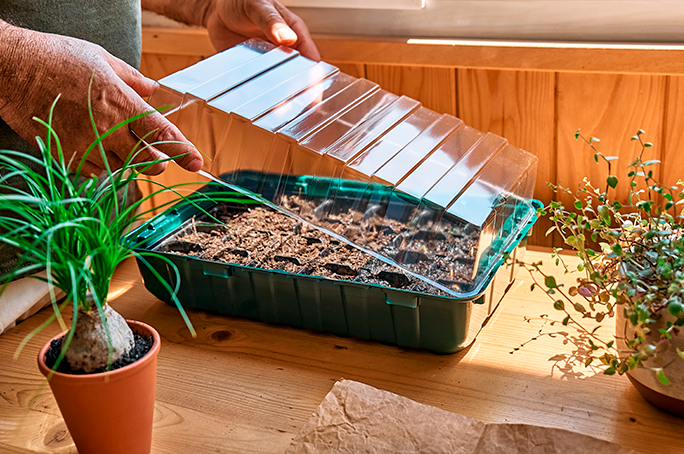
Once you’ve decided what to grow, it’s time to gather your seeds and start planting. Go for trusted suppliers and always check the expiration dates before sowing. Some seeds take longer to sprout, but you can speed up the process by soaking them in warm water for a few days (be sure to change the water daily).
Another effective method is pre-sprouting. Place seeds on a moist surface such as gauze, cotton, sand, or coconut fibers, inside a container. Cover it with plastic wrap or glass to retain moisture, keep it damp and ventilated, and plant the seedlings in the ground once they sprout.
Step 5: Keep your greenhouse in top shape
Watering: Install a drip irrigation system or use self-watering containers for efficiency.
Pollination: Hand-pollinate crops like tomatoes and cucumbers or use fans to help distribute pollen.
Temperature control: Use thermostats, automatic vents, and shade cloth in summer; insulate with bubble wrap in winter.
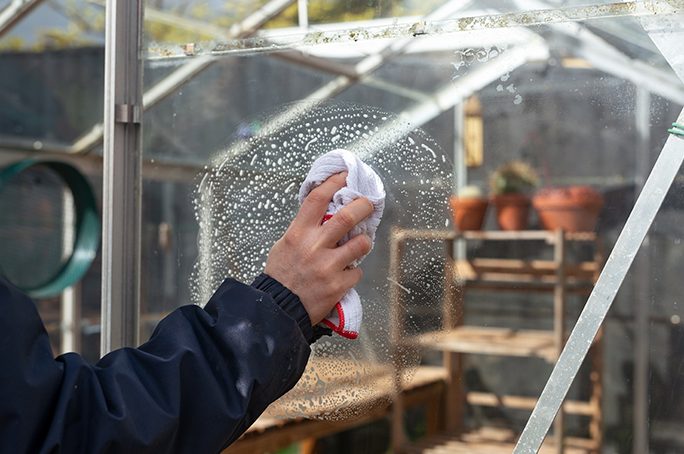
Maintenance: Clean surfaces, tools, and structures to prevent mold and pests. Check for any cracks or damage and repair them promptly.
Greenhouse gardening isn’t just a way to enjoy fresh produce year-round—it’s also a rewarding and enjoyable hobby. Now that you have a solid understanding of the right setup and care, it’s time to put your knowledge into practice!